Artificial Intelligence and Digital Accessibility: How do these two worlds enrich each other for the benefit of all users?
What if artificial intelligence and digital accessibility were not two separate worlds, but two sides of the same revolution?
This white paper shows how these domains reinforce each other to build a digital ecosystem that is more efficient, more reliable, and above all, more human.
Discover how to make your content not only accessible to everyone, but also fully optimized to be leveraged by AI—without hallucinations.
What You’ll Learn in This White Paper
-
The history and key applications of AI: from GPT-4 to voice assistants and the rise of generative AI.
-
The foundations of digital accessibility: principles, frameworks (WCAG, RGAA,EN301 549, PDF/UA), and international legal standards.
-
How AI enhances digital inclusion: speech transcription, visual recognition, and cognitive tutoring tools.
-
Why accessible content boosts AI performance: fewer errors, better indexing, greater reliability.
-
Tangible benefits for organizations: inclusion, innovation, SEO, reputation, and sustainable profitability.

Download the white paper
Why download it?
Because accessibility is no longer just a legal requirement —
it’s a forward-thinking strategy to strengthen your technical performance, regulatory compliance, and social impact.
This white paper is intended for digital leaders, CSR managers, designers, developers, communicators, and public-sector decision-makers seeking to anticipate the era of an inclusive and intelligent web.
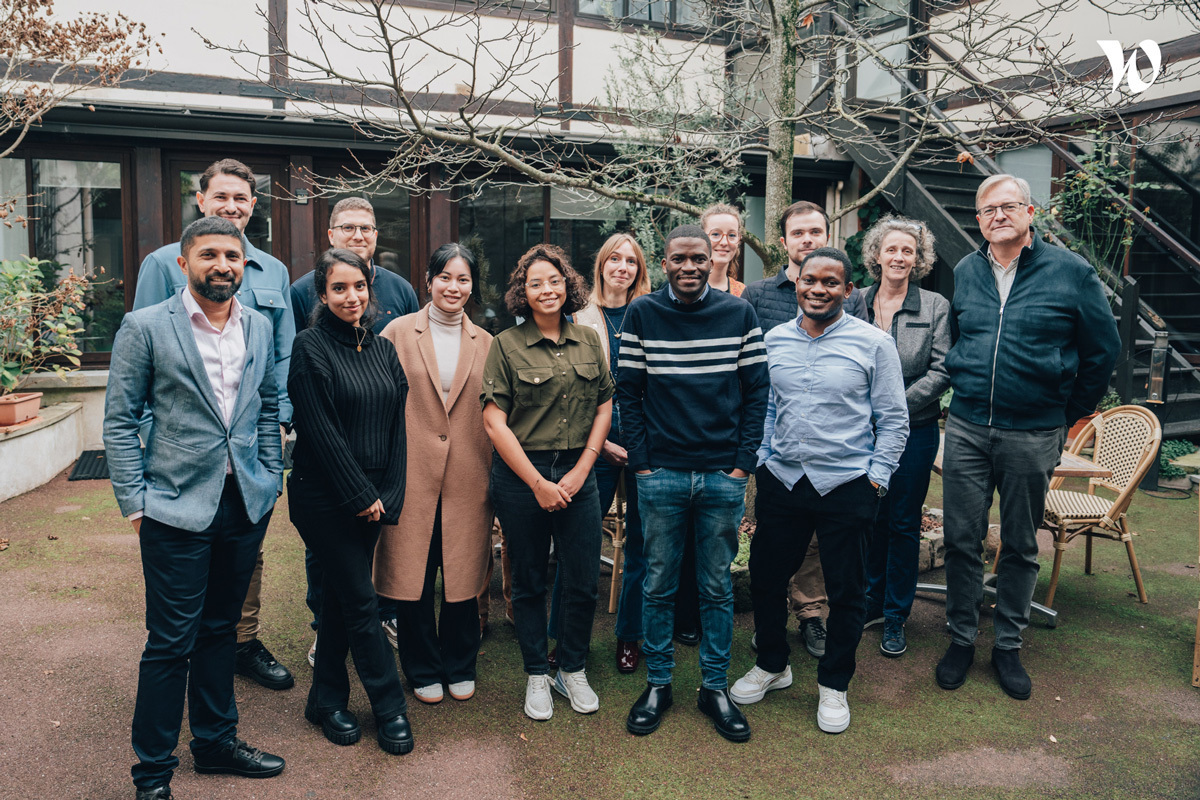
Who we are
Ipedis is a key player covering the entire digital accessibility value chain.
It has been committed since 2006 to building an inclusive digital world in which everyone can navigate, interact with, and fully benefit from online experiences, regardless of their abilities or circumstances.
With its solution, Ipedis is a market leader in PDF accessibility software, thanks to a proprietary, patented AI technology that enables PDF documents to be tagged and made accessible at scale and within very short timeframes.
Our mission is to make PDF and office document accessibility easier for businesses and public-sector organisations.
Recognised as a Socially Responsible Company with a Social Purpose (Entreprise Solidaire d’Utilité Sociale – ESUS), we work towards a single objective: eliminating all forms of discrimination in access to information for all users, including people with disabilities.